
What is a retrograde?
Updated 15 November 2026 · 2 min read
A retrograde is when a planet looks like it’s moving backwards across the sky. It isn’t really. It’s an optical illusion, and it happens to every planet except the Sun and the Moon.
Why planets seem to go backwards
Imagine you’re on a highway, overtaking a slower car. For a moment, that car looks like it’s sliding backwards, even though it’s still driving forward. Planets do the same thing.
All the planets travel around the Sun at different speeds. When Earth overtakes a slower planet like Mars or Jupiter, that planet seems to drift backwards against the stars for a while. With Mercury and Venus, which are closer to the Sun and faster than us, the same thing happens when they swing past Earth on the inside track.
How often it happens
| Planet | Roughly how often | Roughly how long |
|---|---|---|
| Mercury | 3 to 4 times a year | About 3 weeks |
| Venus | Every 18 months | About 6 weeks |
| Mars | Every 2 years | About 2 to 2.5 months |
| Jupiter | Once a year | About 4 months |
| Saturn | Once a year | About 4.5 months |
Retrograde now
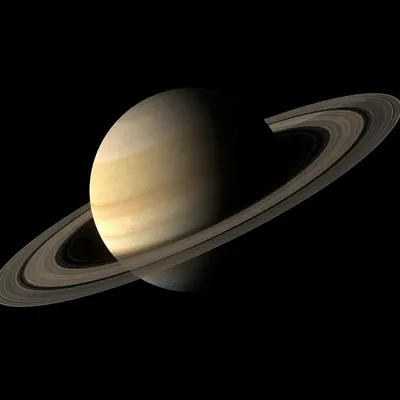 Saturn in Aries25 daysMidway · direct 10 Dec
 Neptune in Aries27 daysMidway · direct 12 Dec
Coming up
Calendar10 DecSaturn turns directEases 12 DecJupiter turns retrogradeSlows
 10 JanMars turns retrogradeSlows9 FebMercury turns retrogradeSlows
Dates in US Eastern time
What it means in astrology
In astrology, a retrograde is a “look back” season for whatever that planet is about. Mercury is about talking and plans, so its retrograde is famous for mix-ups and reunions. Venus is about love and values. Mars is about energy and drive. Jupiter is about growth and the big picture.
It’s not a bad-luck sign. Think of it more like a review: a time when old things come back around and you get a second look at them. Many people use these weeks to finish, fix and reflect rather than start brand-new things.
Why it can feel the way it does
Some people notice they feel more reflective, restless or nostalgic during a retrograde. Others notice nothing at all. Both are completely normal.
Keep reading